Project
Jugendkulturinitiative
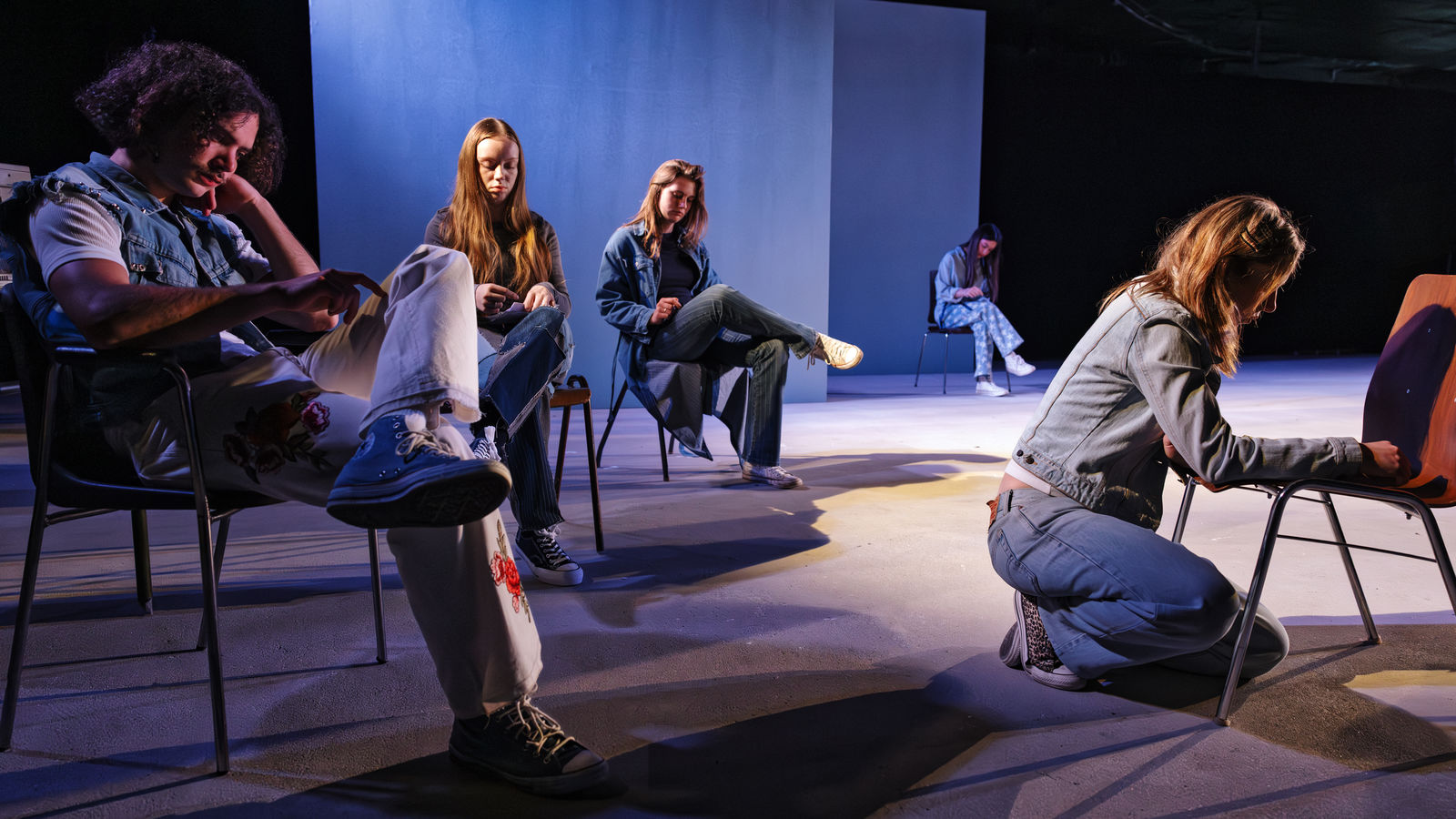
The Jugendkulturinitiative (JKI) is a funding program of the Senate Department for Culture and Social Cohesion. It supports multi-year collaborations that develop, test, and institutionally embed cultural programs for young people in various Berlin neighborhoods. The goal is to sustainably establish and expand programs for children and young people—while actively incorporating their perspectives.

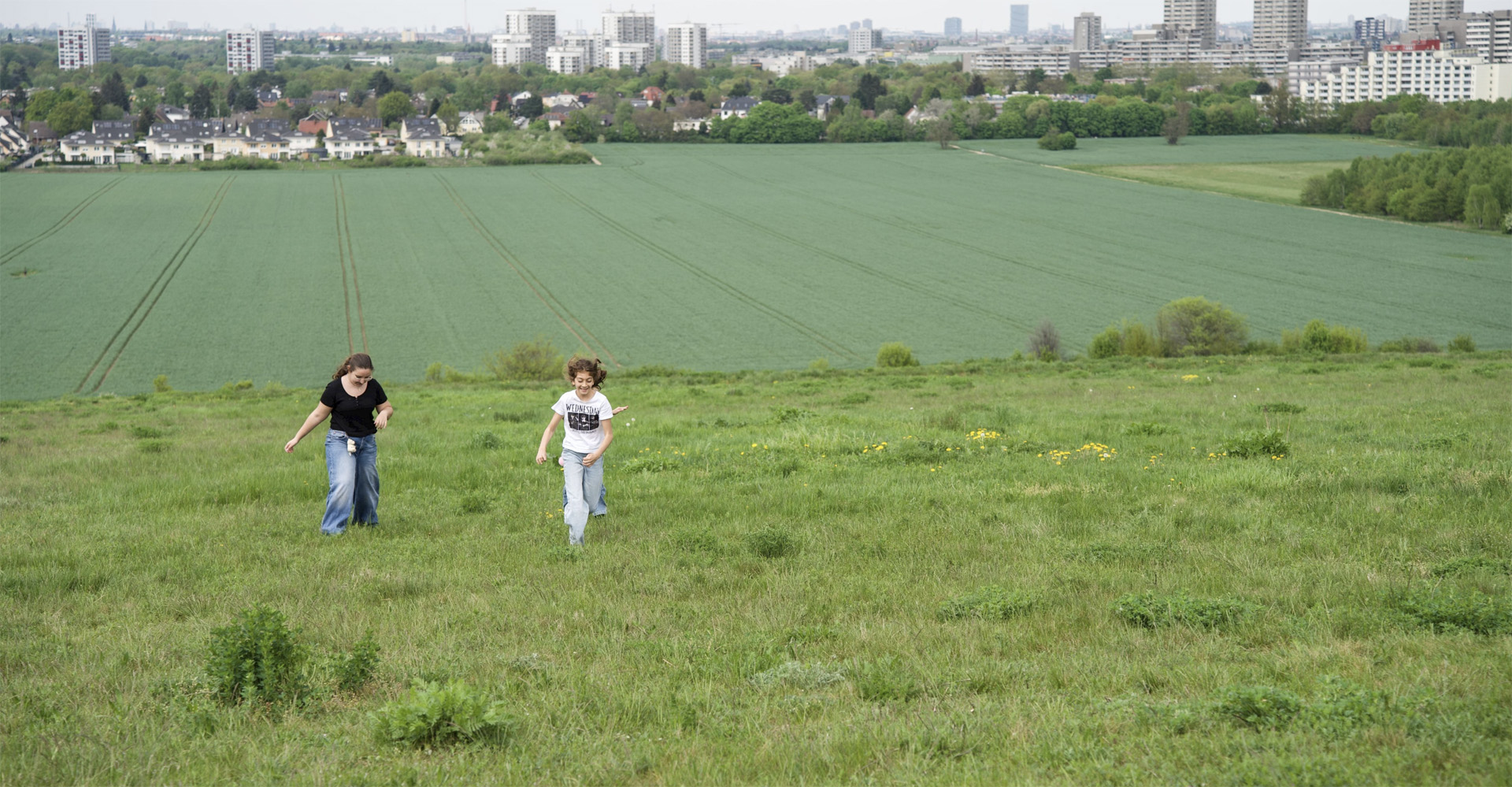
Many cultural institutions in Berlin are located in central areas and often reach young people in the outskirts only sporadically. At the same time, cultural participation is a key prerequisite for active involvement in society. The Jugendkulturinitiative therefore Jugendkulturinitiative to make cultural offerings more accessible to young people throughout Berlin and to establish sustainable structures for cultural participation.
She does not view cultural education as a one-off project, but rather as a long-term endeavor aimed at community building and institutional openness.
How does the Jugendkulturinitiative work?
The JKI promotes collaboration between Berlin’s cultural institutions, community stakeholders, and young people. Together, they develop programs that take place in various neighborhoods and have a lasting impact on urban society.
The initiative focuses on two areas:
- Outreach & Community Engagement: Cultural programs are developed in collaboration with local partners and integrated into local communities.
- Inreach: Participating cultural institutions strengthen cultural participation as an integral part of their institutional practices.
During the pilot phase (2024–2025), the JKI received scientific support from the Institute for Research on Cultural Participation. The accompanying research examined the conditions for success, structural challenges, and the question of how collaborations within the social sphere can bring about lasting changes to both the programs offered to children and young people and the participating institutions.
Supporting program
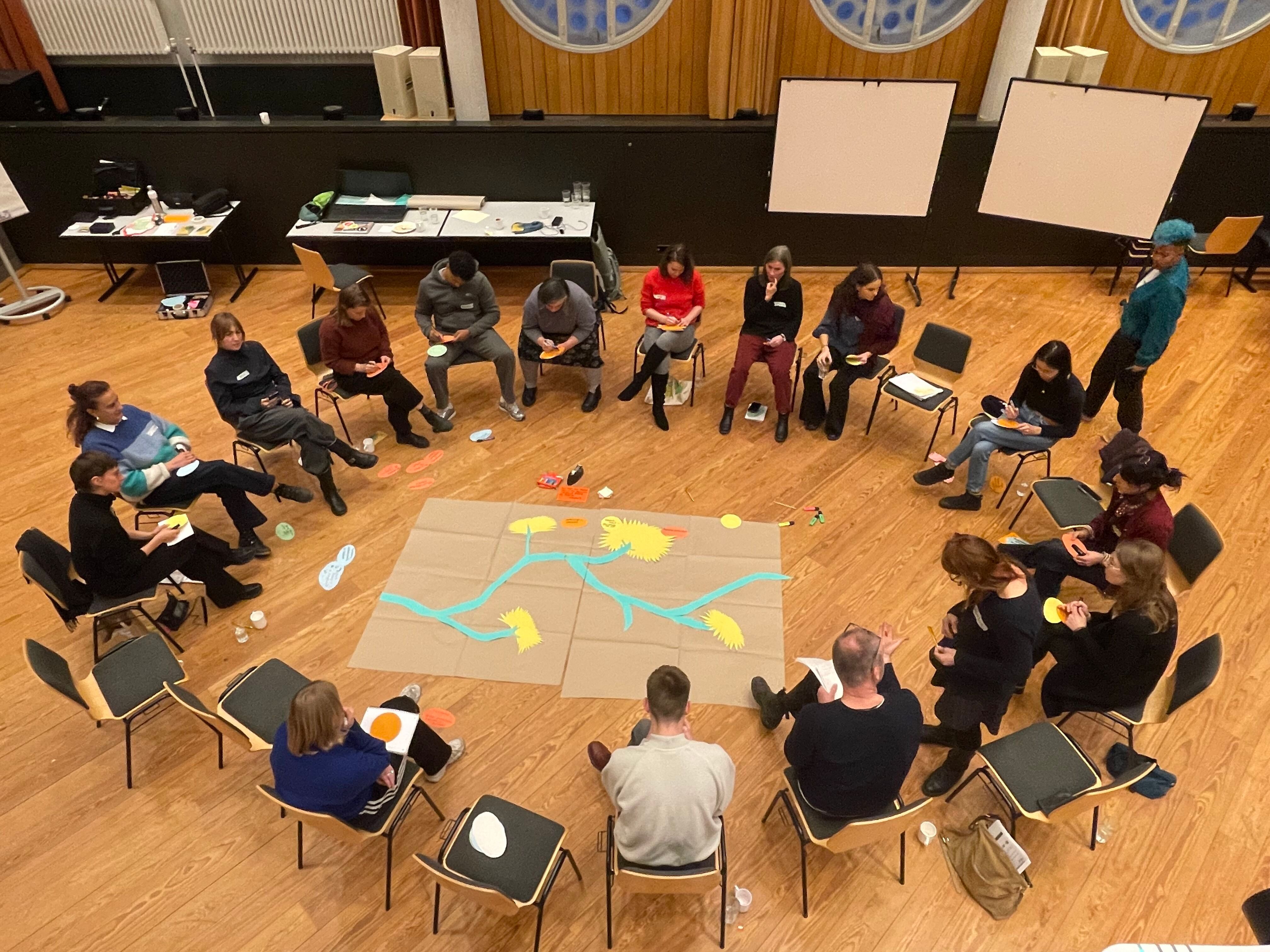
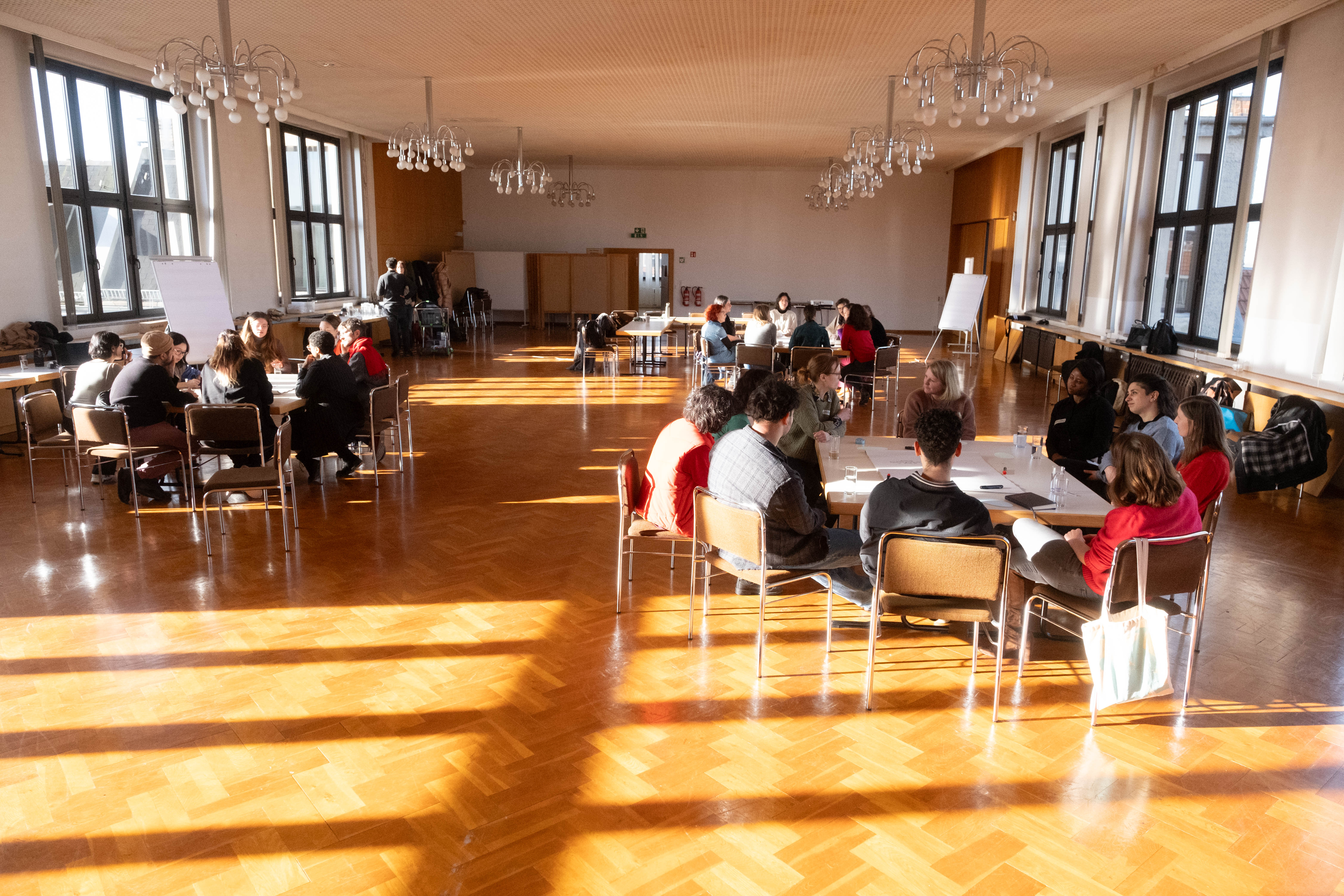
Ten cultural institutions that Jugendkulturinitiative through the Jugendkulturinitiative developed their own projects during this period—while also learning from one another. The accompanying program shaped and supported this process. Berlin Mondiale designed and implemented the program: as a learning space, as a network, and as a contribution to a cultural policy debate that extends beyond the participating institutions.
Networking and Learning
At its core was the creation of a network in which organizations learn from one another—through practical experience and on an equal footing. This requires trust, which takes time to build. Through regular exchanges, shared reflection, and a willingness to discuss even difficult topics, this trust has grown. By the end of the pilot phase, the network was more than just a support group—it was a working group.
Building capacity
These institutions have evolved in three areas that are central to sustainable, decentralized cultural work.
- Social-spatial cooperation: How can we build partnerships with local stakeholders that extend beyond individual projects—and are based on genuine shared interests?
- Discrimination-Sensitive Practices: How do organizations evaluate their own structures, services, and communications—and what changes when they do so consistently?
- Outreach: How does cultural work reach the people it is intended for—and what structural changes are needed to ensure this happens sustainably?
Active Participation in Cultural Policy
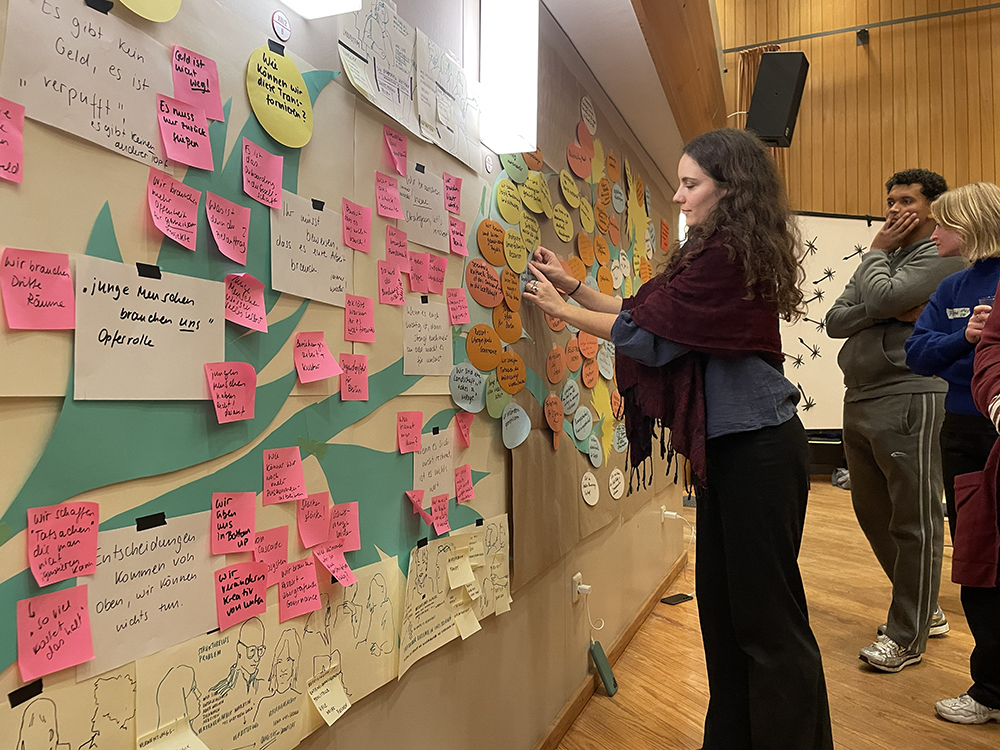
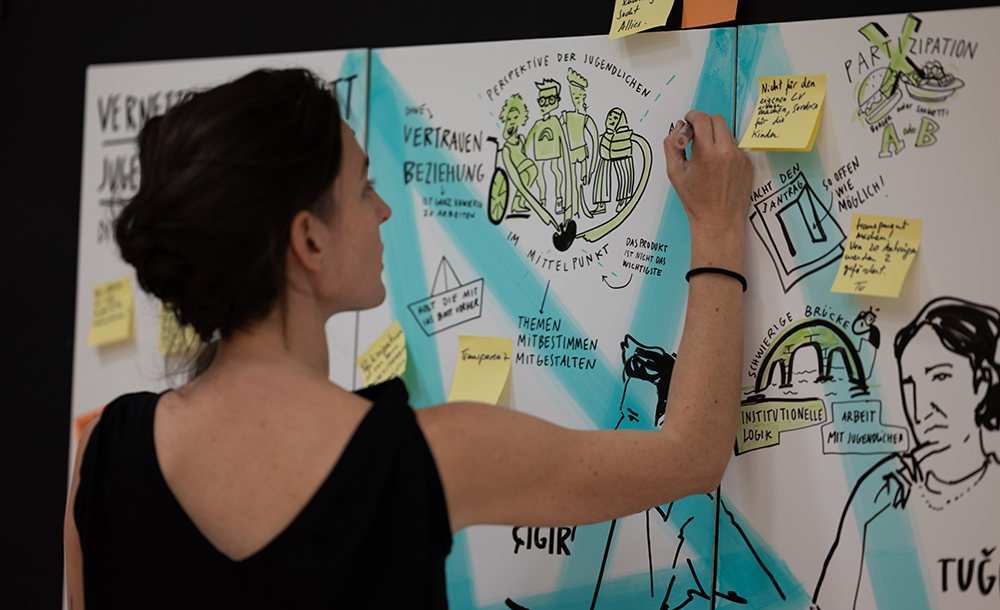
The program has also reached out to the wider community. Through co-creative processes involving representatives from politics, government, cultural institutions, and local partners, cultural policy visions and areas of action for decentralized cultural education have been developed.
Findings from the program were presented at conferences and to policy committees—as a substantive contribution to a debate that affects the field as a whole.